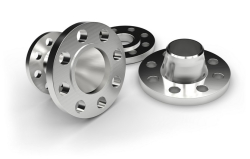
Flanges are mechanical components used in pipework to create a secure, leak-proof, and accessible connection between pipes, valves, and other equipment, allowing for easy assembly, disassembly, inspection, and maintenance.
They are bolted together with a gasket in between to form a seal.
Types of Flanges
The most common types of pipe flanges, which vary based on application, pressure capacity, and installation requirements, include:
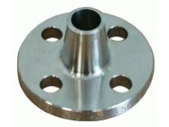
- Weld Neck Flanges: Feature a long, tapered hub that is butt-welded to the pipe, transferring stress to the pipe and providing reinforcement. They are suitable for high-pressure, high-temperature, and hazardous fluid applications where joint integrity is critical.
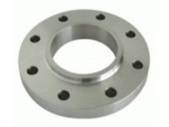
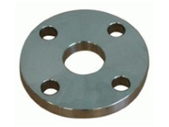
- Slip-On Flanges: Slide over the end of the pipe and are secured with two fillet welds (inside and outside). They are easier to align and install than weld neck flanges but are typically used in lower-pressure, low-temperature applications.
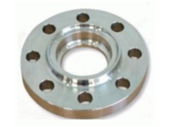
- Socket Weld Flanges: Designed for small-bore, high-pressure systems. The pipe is inserted into a socket and secured with a single fillet weld on the outside. Not recommended for highly corrosive applications due to the potential for crevice corrosion in the expansion gap.
- Threaded Flanges: Have a female thread in the bore that matches a male-threaded pipe end. They do not require welding and are ideal for hazardous or explosive applications where welding is dangerous, or in confined spaces. Used in low-pressure, low-temperature systems.
- Lap Joint Flanges: Used in conjunction with a stub end that is welded to the pipe. The flange itself slides freely over the pipe, allowing for easy alignment of bolt holes. They are ideal for systems requiring frequent dismantling for inspection and cleaning, and the flange material does not need to be corrosion-resistant.
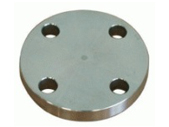
- Blind Flanges: A solid disc used to seal off the end of a piping system or pressure vessel opening, effectively stopping flow. They are also used for pressure testing the pipeline.